Understanding the Ford 6.0 Diesel IPR Valve: A Complete Guide
If you own a Ford 6.0L Power Stroke diesel, you know that the high-pressure oil system is the lifeblood of your engine. It isn't just about lubrication; it is the force that makes your truck run. At the heart of this system sits a small but critical component: the Injection Pressure Regulator, or IPR valve.
When your truck is running smoothly, you probably never give it a second thought. But when things go wrong—like a sudden refusal to start or an erratic idle—the IPR valve is often the prime suspect. This guide breaks down exactly what this valve does, where to find it, and how to tell if yours is failing.
What is the IPR Valve?

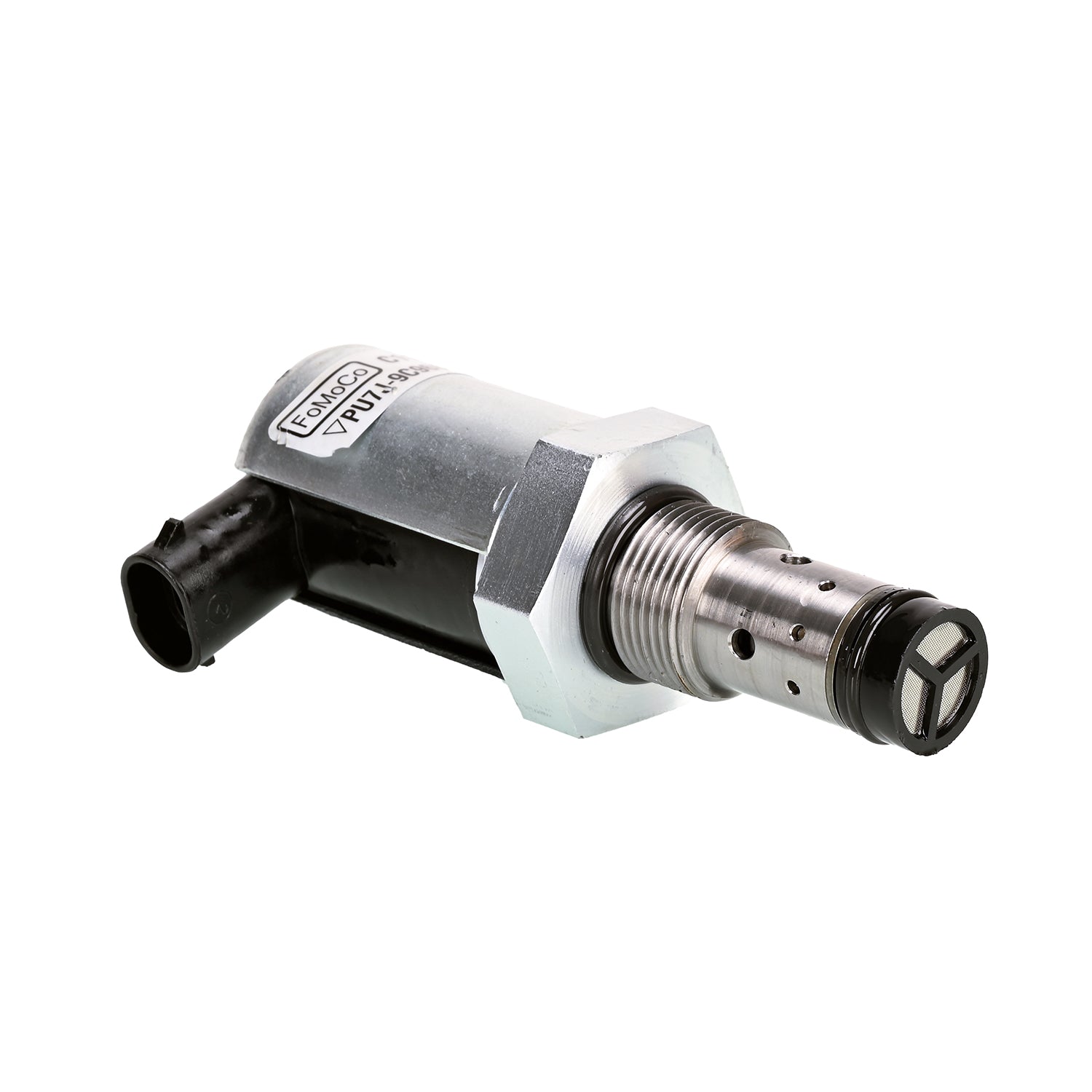
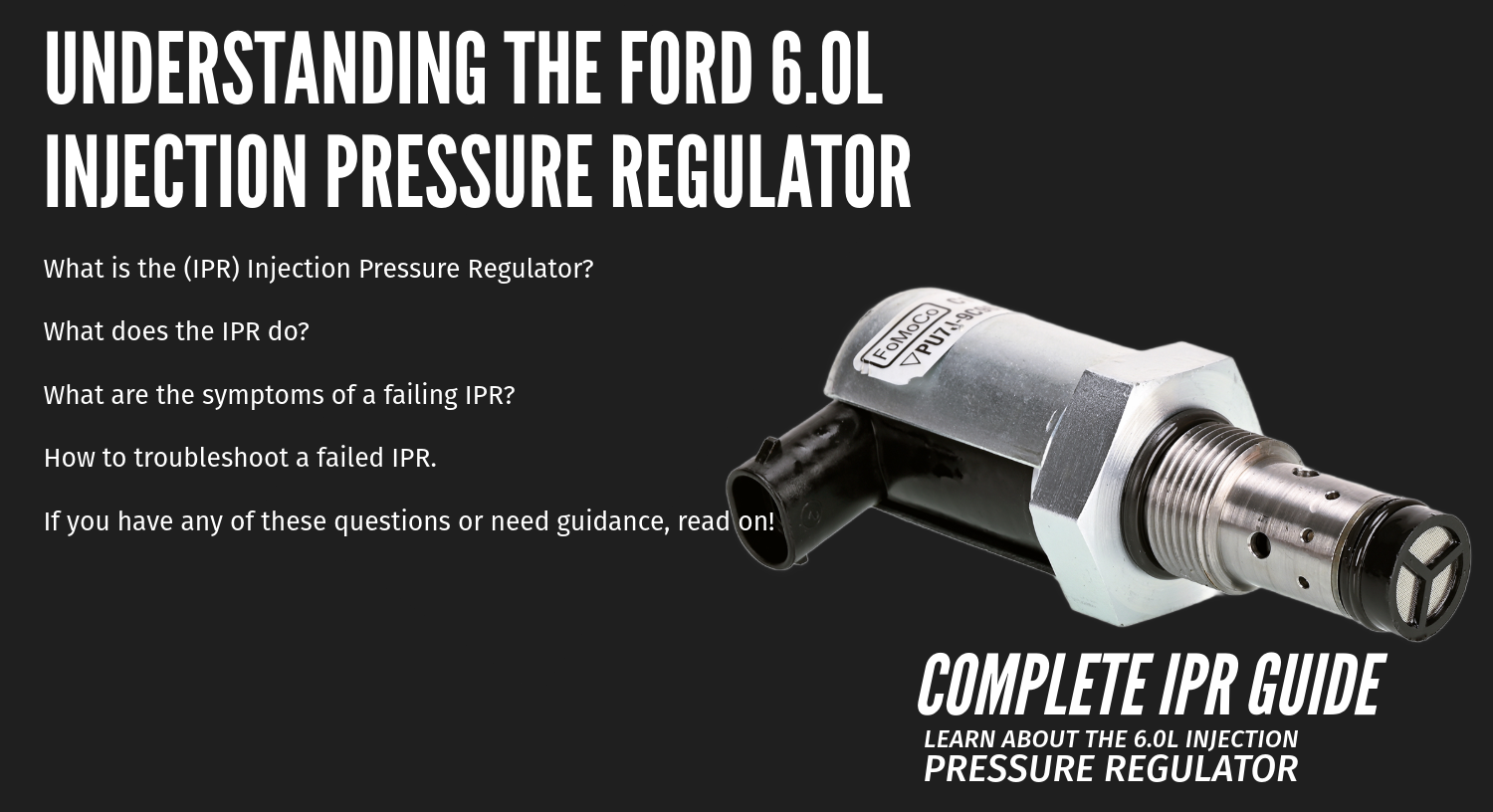
The IPR valve stands for Injection Pressure Regulator. To understand its importance, you first need to understand how the Ford 6.0L fuel injection system works.
Unlike a standard gasoline engine that uses fuel pumps to build injection pressure, the 6.0L diesel uses high-pressure engine oil to fire its fuel injectors. This system is known as HEUI (Hydraulically Actuated Electronically Controlled Unit Injector).
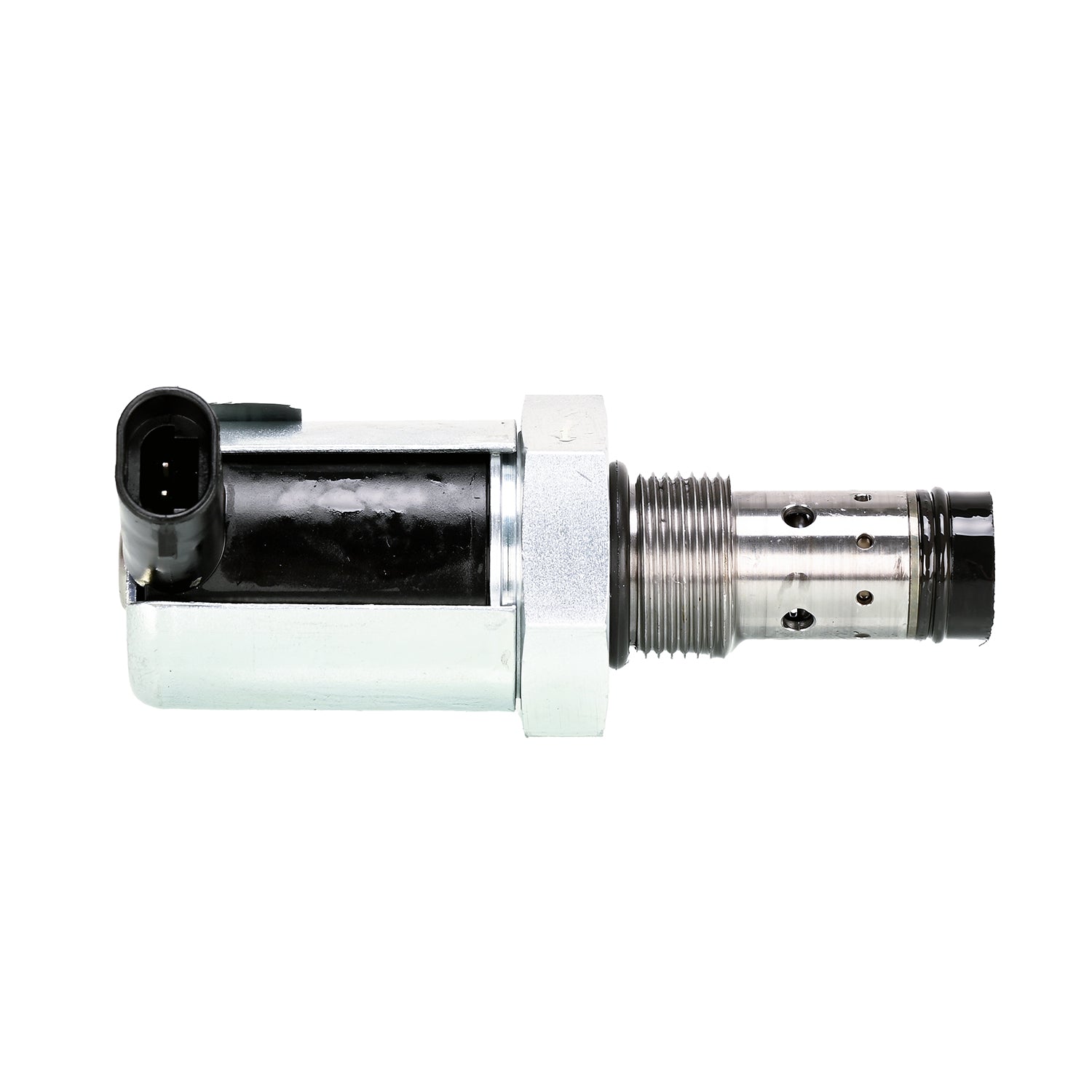
High-pressure oil is fed to the fuel injector, where it pressurizes the fuel inside the injector body before spraying it into the cylinder. This process requires immense pressure—up to 4,000 psi in some conditions. The IPR valve is the gatekeeper of this pressure. It is an electromagnetic solenoid valve that rapidly opens and closes to increase or decrease the oil pressure supplied to the injectors based on what the engine needs at that moment.
How It Works Technically
The operation of the Injection Pressure Regulator (IPR) is a finely tuned balance between electrical signals and hydraulic force, working in harmony to regulate fuel delivery and optimize engine performance. Here's a breakdown of the process:
-
The Signal:
The engine's Powertrain Control Module (PCM) relies on input from the Injection Control Pressure (ICP) sensor to assess the current injection pressure. This sensor monitors the hydraulic pressure in the high-pressure oil system, which is critical for fuel injection. Based on this data, the PCM calculates the precise amount of injection pressure required to meet the engine's current demands, whether it's idling, accelerating, or under heavy load. -
The Valve Movement:
The PCM sends a series of electrical pulses to the IPR valve, which is a solenoid-operated valve. These pulses energize the solenoid, causing it to move a plunger or spool inside the valve. The frequency and duration of these pulses (known as the duty cycle) determine the position of the valve, allowing for precise control over the flow of high-pressure oil. -
Pressure Regulation:
The movement of the IPR valve directly regulates the flow of oil within the high-pressure oil system. When the valve opens, it allows excess oil to return to the oil pan, reducing the pressure in the system. Conversely, when the valve closes, it directs more oil to the injectors, increasing the pressure. This dynamic regulation ensures that the injectors receive the exact amount of hydraulic force needed to deliver the appropriate quantity of fuel to the combustion chamber.
The Big Picture:
The injection control pressure, managed by the IPR, is the key determinant of how much fuel is delivered to the engine's cylinders. When the engine demands more power, such as during acceleration or towing—the PCM commands the IPR to increase oil pressure. This higher pressure pushes more fuel through the injectors and into the combustion chamber, resulting in greater power output. Conversely, during low-demand situations, the IPR reduces oil pressure to conserve fuel and maintain efficiency.
This seamless interplay between electrical signals, hydraulic force, and mechanical components ensures that the engine operates efficiently, delivering the right amount of power precisely when it's needed.
Locating the IPR Valve on Your 6.0L
Finding the IPR valve can be a bit of a challenge due to the cramped nature of the 6.0L engine bay.
The valve is generally located at the top rear of the engine, tucked behind and below the turbocharger. However, the exact mounting point depends slightly on the year of your engine:
- Early Model Engines: The IPR valve is installed directly into the High-Pressure Oil Pump (HPOP) cover.
-
Late Model Engines: The valve is installed into the pump itself.

regardless of the year, accessing it usually requires some patience and the removal of the air cleaner assembly and degas bottle to get a clear view or reach.
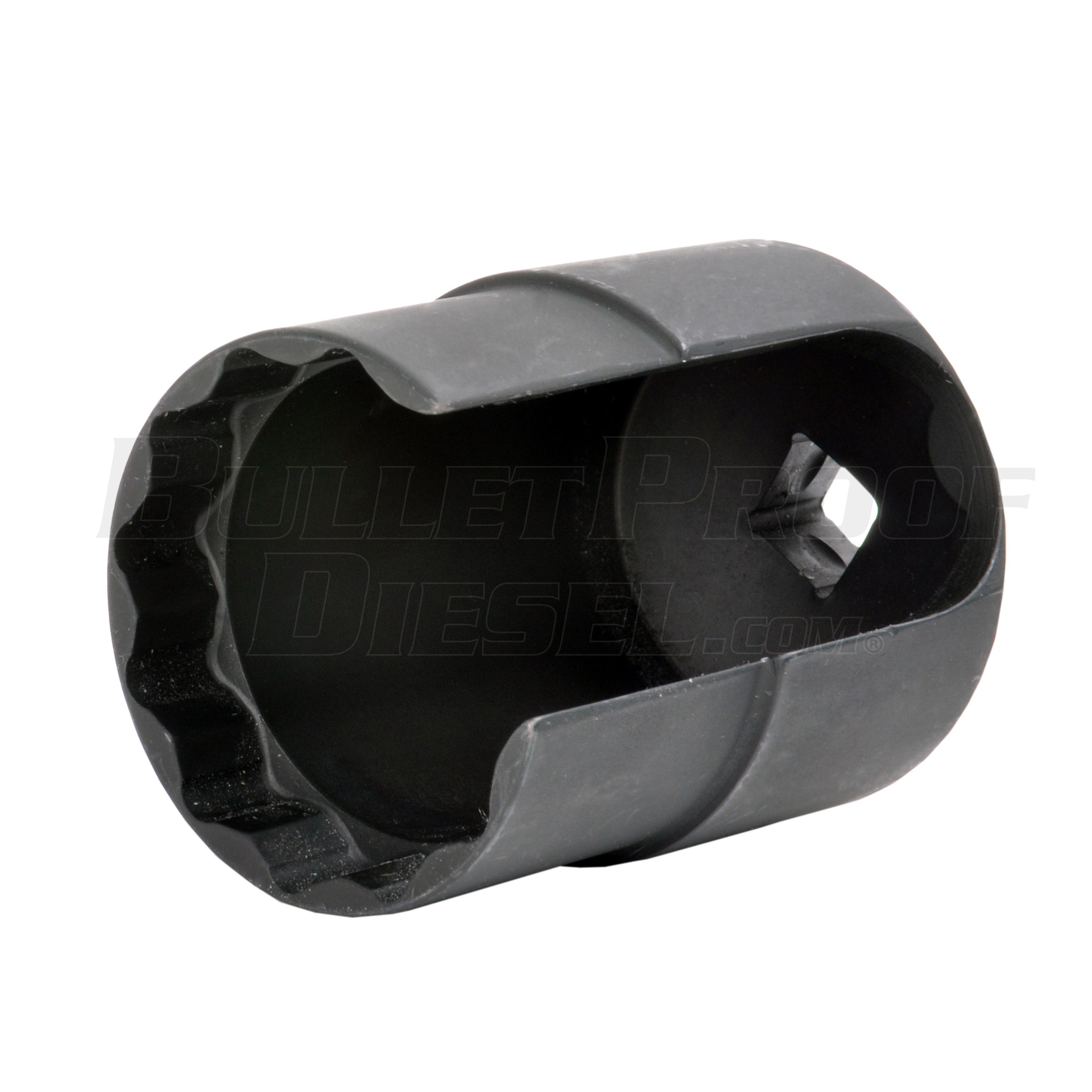
Removal and installation of the IPR valve requires a special socket. The electrical connector on the valve prevents the use of a traditional deep socket.
Symptoms of a Failing IPR Valve
When an IPR valve goes bad, it doesn't usually go quietly. It impacts the fundamental ability of the engine to run. Here are the most common signs that your regulator is failing.
1. The "No Start" Condition
This is the most frequent symptom of a failed IPR valve.
By default, the IPR valve is designed to fail in a "wide-open" position. When it is wide open, it dumps all the high-pressure oil back into the sump rather than sending it to the injectors. This bypasses the oil that should be supplied to the high-pressure oil pump.
For the Ford 6.0L to start, the fuel injection system needs to see a minimum of 500 psi of oil pressure. If the valve is stuck open, the system cannot build this pressure, resulting in a "crank, no start" situation. You might hear the engine turning over just fine, but it simply won't catch because the injectors aren't firing.
2. Surging or Rolling Idle
If the valve hasn't failed completely but is sticking or moving sluggishly, you might experience a rough idle.
A good working valve makes micro-adjustments hundreds of times a second to keep the idle smooth. If the valve is struggling, the oil pressure will fluctuate. This causes the engine RPM to surge up and down, often referred to as "hunting" for an idle. It might feel like the truck is revving slightly on its own while you are sitting at a traffic light.
3. Electrical Failure Symptoms
Since the IPR is electronically controlled, circuit issues can also cause specific behaviors:
- Open Circuit: If there is a break in the wiring, the valve defaults to minimum oil pressure. The result is typically a no-start situation because the pressure never reaches the required 500 psi threshold.
- Short to Ground: If the circuit shorts out, the solenoid may stay fully energized, commanding maximum oil pressure. To prevent catastrophic damage, the system has a mechanical pop-off valve that limits this pressure to roughly 27,580 kPa (4,000 psi). While the engine might run, it will run very poorly and loudly due to the excessive pressure.
Why Do IPR Valves Fail?
The IPR valve operates in a harsh environment. It is constantly bathed in hot engine oil and cycles thousands of times during a drive.
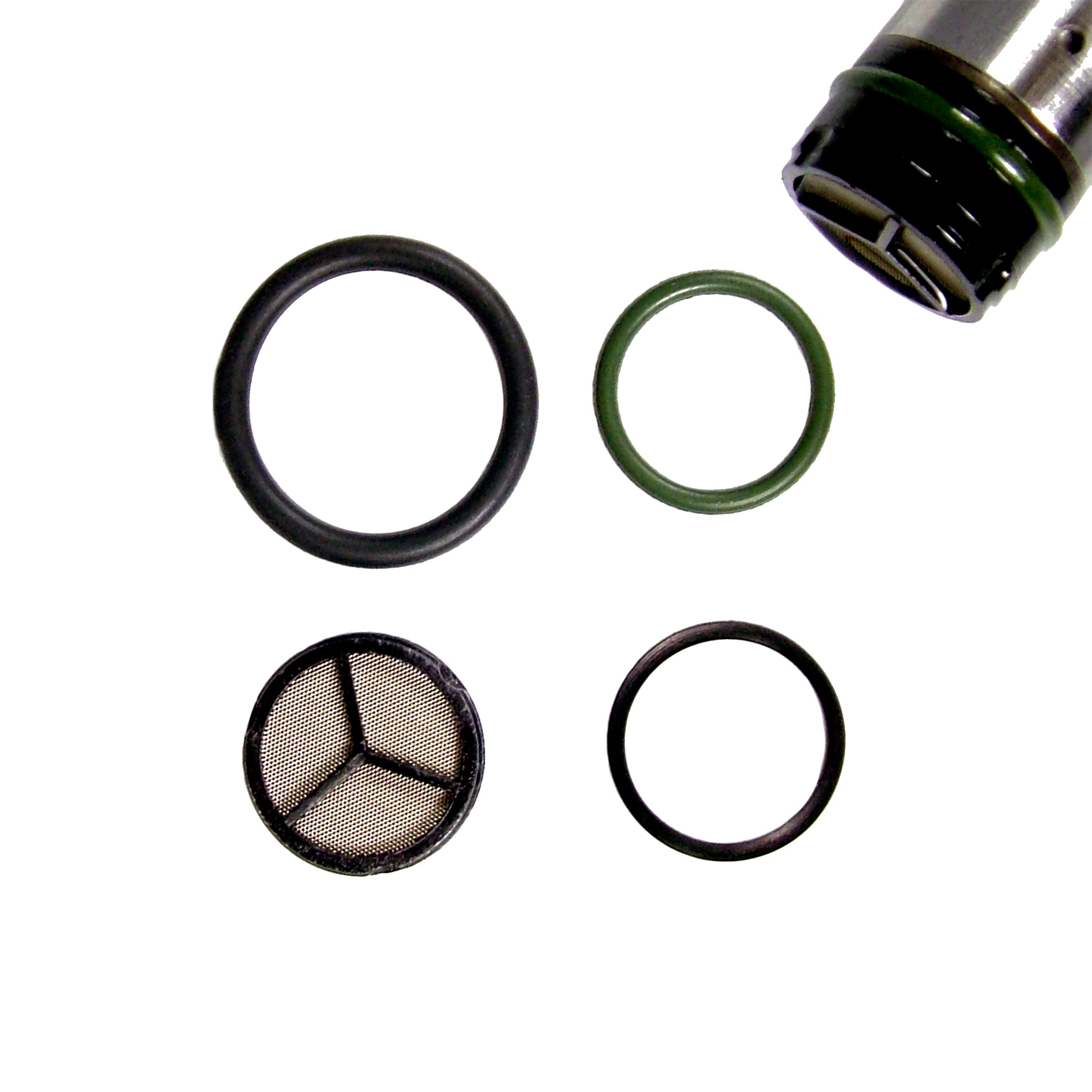
The most common enemy of the IPR valve is debris. The inlet screen on the tip of the valve

is designed to catch contaminants. If the oil filtration system has been neglected, or if the high-pressure oil pump itself is failing and shedding metal shavings, this screen can clog. A clogged screen restricts oil flow and can jam the internal pintle, causing the valve to stick.
Heat cycles and age also degrade the electrical solenoid portion of the valve, leading to weak magnetic fields that can no longer control the high pressures required.
Troubleshooting and Next Steps
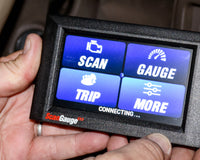
If you suspect your IPR valve is the culprit, diagnosis usually involves monitoring live data with a scanner. You will want to watch the IPR duty cycle (the percentage the computer is commanding the valve to close) alongside the ICP (Injection Control Pressure) actual values.
- If the IPR duty cycle is high (85% is usually the max limit during cranking) but the actual pressure (ICP) is low (below 500 psi), it suggests a leak in the system or a stuck-open IPR valve.
- Inspecting the screen at the end of the IPR valve is a good physical check. If the screen is torn or sucked inward, it is a sign of a blockage.
Conclusion
The IPR valve is a small component with a massive responsibility. It bridges the gap between the electronic brain of your truck and the mechanical brawn of the hydraulic system. Understanding how it works helps you demystify the complex behavior of the 6.0L Power Stroke.
Regular oil changes are your best defense against IPR failure. Clean oil keeps the delicate screens and internal components moving freely. If you are experiencing a no-start or rough idle, don't overlook this regulator—it is often the key to getting your Ford back on the road.