Introduction
Excessive coolant pressure in a Powerstroke engine is a serious warning sign that should not be ignored. Symptoms such as rock hard radiator hoses, coolant pushing out of the degas bottle, or pressure buildup shortly after startup usually indicates a more serious engine issue. While likely related to the engine cooling system, At Bullet Proof Diesel, we have diagnosed a countless number of Powerstroke engines with excessive coolant pressure and in most cases, the problem begins long before visible overheating or external leaks appear. Left unresolved, excessive pressure can lead to ruptured coolant hoses, radiator tank failure and cooling system related seal damage.
This article explains what causes excessive coolant pressure in Powerstroke engines, how to identify the issue early, and which solutions actually fix the problem.
What Is Excessive Coolant Pressure
A Powerstroke cooling system operates under controlled pressure to raise the boiling point of the coolant and maintain stable operating temperatures. Excessive pressure occurs when combustion gases, excessive heat, or cooling system flow problems exist.
Excessive pressure is a symptom, not typically the root cause. Identifying the underlying failure is critical to preventing engine damage.
Common Causes of Powerstroke Excessive Coolant Pressure
Restricted Oil Cooler
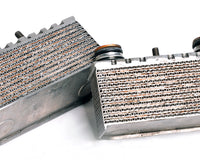
A restricted oil cooler is a common cause of excessive coolant pressure, although is very specific to the 6.0L diesel engine. Over time, factory oil coolers can clog internally due to coolant breakdown and debris. Restricted coolant flow through the engine oil cooler - on the 6.0L diesel engine - also restricts coolant flow to the EGR cooler. The small amount of coolant making its way to the EGR cooler has the potential to flash boil at the hot heat exchanger and this process could lead to excess cooling system pressure.
Oil cooler restriction is often the starting point for additional failures.
Failing EGR Cooler
A failing EGR cooler could allow exhaust gases or pressure to enter the cooling system. This introduces combustion pressure into the coolant circuit, causing rapid pressure buildup and coolant displacement from the degas bottle.
Early Head Gasket Failure
In early head gasket failure, combustion gases can leak into the cooling system without obvious overheating or drivability issues. This creates excessive pressure while the engine may otherwise appear to operate normally.
Overheating Under Load
Heavy towing, high exhaust gas temperatures, or prolonged high load conditions can overwhelm a compromised cooling system. Increased temperature results in increased pressure, especially when coolant flow or airflow is restricted.
Degas Bottle Cap Issues
A faulty degas bottle cap may prevent proper pressure relief. While rarely the root cause, it can worsen existing problems and accelerate failure elsewhere in the system.
Symptoms of Excessive Coolant Pressure
- Radiator hoses become hard shortly after startup
- Coolant is pushed out of the degas bottle
- Coolant loss with no visible leaks
- Coolant odor after shutdown
- Pressure buildup even when the engine is cold
- White exhaust vapor in some conditions
These symptoms indicate internal cooling system problems and should be addressed immediately.
Diagnosing Excessive Coolant Pressure
Accurate diagnosis requires more than visual inspection. Bullet Proof Diesel recommends cooling system pressure testing, combustion gas testing, monitoring oil and coolant temperature differences, and inspecting oil cooler and EGR cooler performance.
Proper diagnosis prevents unnecessary repairs and ensures the root cause is corrected.
The Bullet Proof Diesel Solution
Many Powerstroke coolant pressure issues originate from factory cooling system weak points. Bullet Proof Diesel designs upgrades that eliminate these failures, including high flow oil coolers and reinforced EGR coolers engineered for extreme heat and pressure.
These solutions address the cause of pressure buildup rather than masking the symptoms.
Final Thoughts
Excessive coolant pressure in a Powerstroke engine is an early warning sign of internal failure. Ignoring the issue can result in significant engine damage and costly repairs.
At Bullet Proof Diesel, early diagnosis and upgraded cooling components have helped protect engines and prevent catastrophic failures. Addressing excessive coolant pressure early is critical to long term engine reliability.
Disclaimer
This content is provided by Bullet Proof Diesel for informational purposes only. Always consult a qualified diesel technician or your vehicle service manual for proper diagnosis and repair.